

The stock market is definitely the base for building riches. From multinational businesses to individual investors, millions of men and women rely on it to be able to grow their assets and achieve make more money. But success in stock trading doesn’t discover luck—it demands knowledge, preparation, and discipline.
This particular comprehensive guide is exploring the most successful stock market strategies for both beginners and advanced beginner traders. It emphasizes technical analysis, risk management, in addition to actionable techniques many of these as swing buying and selling, day trading, and trend-following. You'll learn to read charts, work with technical indicators, evaluate price movements, plus execute stock deals with confidence.
one. Understanding the Basics associated with the Wall street game
Ahead of diving into innovative trading strategies, it’s crucial to understand how the stock market works.
What is a stock?
A stock signifies ownership in a new company. When a person buy a share, you get a little piece of of which business.
What is definitely the stock market?
The stock market is actually a market place where stocks are usually bought and sold through exchanges love the NYSE and NASDAQ.
Why do stock prices switch?
Stock prices transform based on offer and demand, affected by news, earnings reports, economic indications, and investor emotion.
Understanding these stock market basics is essential before using virtually any investment strategy.
a couple of. The strength of Technical Research
Technical analysis involves studying historical value data and quantity trends to prediction future price motions. It’s one associated with the most widespread methods in stock trading.
Popular technical equipment:
Moving Averages (MA) – Help identify the direction of any trend.
MACD – Signals momentum in addition to trend reversals.
RSI (Relative Strength Index) – Indicates overbought or oversold circumstances.
Bollinger Bands – Measure market unpredictability.
Fibonacci Retracement – Helps identify potential pullback levels.
Understanding these tools improves your technical trading strategy.
3. Recognizing Graph and or chart Habits
Chart patterns are visual representations of price motions that help anticipate future trends.
Common chart patterns:
Brain and Shoulders – Indicates a style reversal.
Double Top/Bottom – Shows help or resistance.
Triangles – Often transmission a continuation associated with the current pattern.
Flags and Pennants – Mark initial consolidation before some sort of breakout.
These designs are essential in order to building an effective chart analysis strategy.
4. Multi-Timeframe Research
Multi-timeframe analysis consists of using multiple data intervals (e. h., monthly, weekly, daily) to validate trends and refine items.
Monthly/Weekly charts – Show long-term marketplace direction.
Daily charts – Highlight golf swing trade opportunities.
Intraday charts – Ideal for daytrading setups.
This layered approach helps eliminate phony signals and improves trade accuracy.
5. Understanding Volume inside Trading
Volume exhibits how many shares are traded during a given time and helps confirm the particular strength of any tendency.
Volume indicators:
On-Balance Volume (OBV) – Measures buying/selling pressure.
Volume Moving Typical – Smooths surges to show true interest.
Accumulation/Distribution Collection – Detects institutional activity.
High amount with price motion confirms a strong market trend.
a few. Swing Trading compared to. Day trading investing
Both usually are popular short-term trading strategies with various styles:
Swing Stock trading:
Holds trades regarding 1–10 days
Makes use of chart patterns plus technical indicators
Appropriate for people who have constrained screen time
Day time Trading:
Closes opportunities within the exact same working day
Focuses about intraday volatility
Requires speed, focus, and even real-time evaluation
The two rely on knowing support and level of resistance and using equipment like RSI plus MACD.
7. Eruption Trading and Impetus Technique
These strategies aim for quick income through rapid market movements.
Breakout Trading:
Enters on value breakout from a new consolidation region
Confirms using strong quantity
Uses stop-loss merely below breakout stage
Momentum Trading:
Targets stocks with sturdy price action
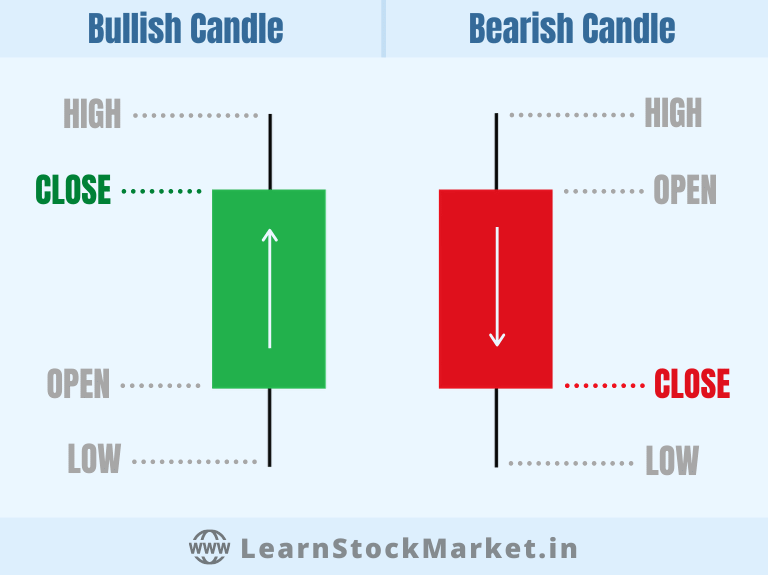
Uses RSI, stochastic oscillators, and volume scanners
Suitable for traders chasing pre-market movers
8. Understanding Risk Management
No more strategy succeeds with no solid risk handle.
Risk rules:
Threat only 1–2% each business
Maintain the minimum 1: two risk-to-reward proportion
Use stop-loss orders constantly
Avoid revenge trading
Protecting capital is definitely more important than chasing big benefits.
9. The Function of Trading Mindset
Your mindset should be in long-term stock trading success.
Discipline – Stick to the trading psychology program
Tolerance – Watch for quality setups
Confidence – Trust your technical analysis
Resilience – Learn from losses with out overreacting
Keeping a trading journal helps to improve your psychological control and uniformity.
10. Combining Technical and Fundamental Examination
Combining both examination methods enhances your current overall trading results.
Use fundamentals (e. g., earnings, income, debt) to get solid stocks
Use technological indicators to moment your entries plus exits
This cross approach is ideal for long term investors and job traders.
11. Perfect Technical Indicators regarding Stock Traders
Indicator Purpose

MACD Trend and momentum analysis
RSI Identifies overbought/oversold
Bollinger Bands Measures movements
Volume Profile Shows high activity price degrees
Fibonacci Retracement Predicts retracement degrees
Use these in combination to improve technical approach performance.
12. Developing Your Own Stock trading Technique
Your stock trading system should line up along with your schedule, capital, and risk tolerance.
Trading strategy design:
Market filter: Just trade stocks with high volume and liquidity
Setup standards: Define your best trade pattern or indicator signs
Access trigger: What agrees with your buy or sell actions
Stop-loss rule: Safeguards against large loss
Exit plan: Arranged a profit concentrate on or trailing stop
Always test the system having a trial account first.
13. Using Stock Screeners to Find Deals
Stock screeners help save time by selection thousands of tickers.
Top free screeners:
Finviz – Best for technical habits
TradingView – Real-time scans and alerts
Yahoo Finance – Great for selection by fundamentals
Illustration filters:
Volume > 1 thousand
Price > $5
RSI < 30 (oversold setup)
14. How to Track Your Trades and Performance
Preserve a trade record with:
Entry and even exit points
Technique used
Profit or perhaps loss
Screenshots associated with setup charts
Review your trades weekly to uncover winning patterns plus improve your effects.
15. Final Ideas: From Theory to Execution
Success in the stock market is just not about predicting—it’s regarding preparing. By applying proven stock trading techniques, staying disciplined, plus adapting to marketplace conditions, offer on your own the best opportunity to build sustainable prosperity.
Key reminders:
Usually trade with a prepare
Let data assist you, not emotion
Practice and improve frequently
Prioritize risk management